
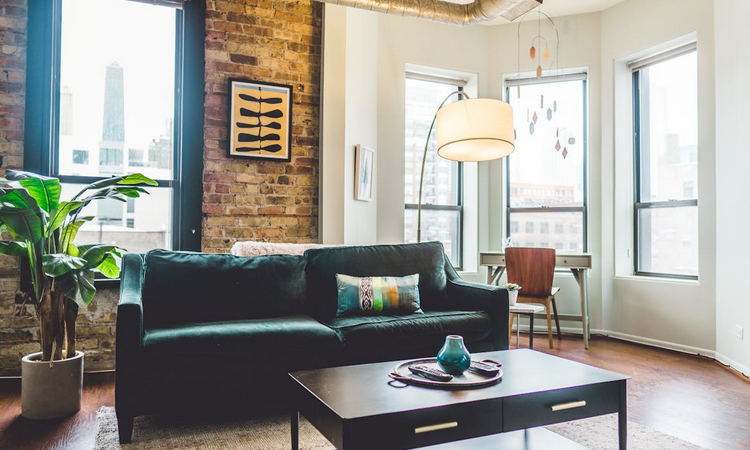
Walk into a perfectly styled home, and you might admire it—but do you feel at ease? Many of us find ourselves drawn instead to spaces that look a little messy, slightly worn, or simply lived-in. There’s something about a home that shows life, history, and personality that sterile perfection can never replicate. It turns out, comfort isn’t about Instagram-ready décor—it’s about the human touches and everyday chaos that make a house feel like home.
Imperfections Make Spaces Relatable
Perfectly styled rooms are beautiful, but they can feel intimidating. Lived-in homes, with their slightly scuffed floors, mismatched cushions, or art leaning at odd angles, signal that real people inhabit the space. Those imperfections invite relaxation and acceptance. You don’t need to tiptoe or follow invisible rules—you feel allowed to be yourself in a place that clearly has room for life, not just aesthetics.
Personal Touches Tell Stories

Family photos, souvenirs from travels, worn-out favorite chairs—these details are the stories of a home. Styled spaces often lack these personal touches because they aim for a curated, universal appeal. Lived-in homes tell visitors (and inhabitants) who lives there, what they value, and how they’ve experienced the world. That narrative creates warmth and familiarity that a color-coordinated vase never can.
Function Beats Form
Homes are meant to be used, not just admired. Lived-in spaces show that furniture is comfortable, shelves are practical, and kitchens are functional. While styled homes can look gorgeous, they often prioritize form over function. A lived-in home is approachable, letting you sit, cook, work, and relax without worrying about “messing up the look.” That functionality translates into a subtle but constant sense of comfort.
Comfort Is Often About Texture and Wear
There’s something about a sofa softened by years of sitting, rugs with frayed edges, or curtains that have faded naturally in the sun. These textures signal touch, warmth, and familiarity. Styled spaces often replace age and texture with pristine surfaces that feel cold or impersonal. In lived-in homes, every cushion, blanket, and rug has a story, and that sensory history contributes to a cozy, welcoming environment.
Everyday Life Makes Homes Feel Alive
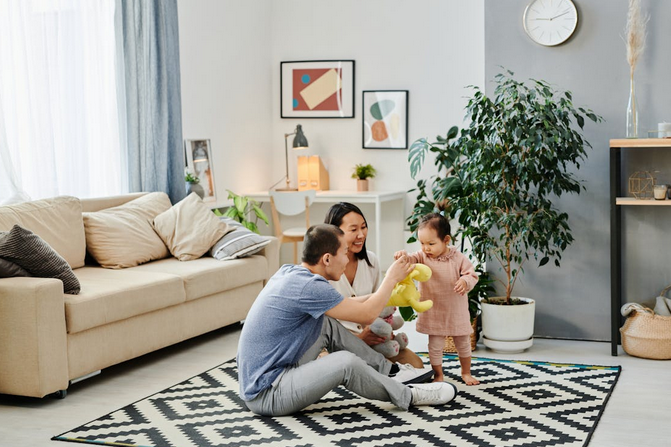
A lived-in home reflects movement, activity, and routine. Kids’ toys, open books, mugs on the counter, or a jacket thrown over a chair all signal life happening here. Styled homes often look frozen, like museum displays, and can feel sterile or uninviting. Seeing evidence of everyday life reminds us that a home is a space for living, not just looking, which is what makes it inherently comforting.
Authenticity Over Aesthetics
Styled homes can be aspirational, but lived-in homes are authentic. They’re honest about the people who live there and the rhythms of life they follow. That authenticity fosters connection and relaxation. Visitors feel welcomed rather than evaluated, and residents feel safe rather than performing. A home that shows life in all its messy, imperfect glory is ultimately more satisfying than one that is just a visual showcase.
While styled homes can inspire and delight, it’s the lived-in spaces that truly feel good to inhabit. The imperfections, personal touches, textures, and evidence of daily life create warmth, authenticity, and comfort. A home doesn’t need to be perfect—it needs to be lived in. And when it is, every corner tells a story, every chair invites you to sit, and every space feels like it belongs to life itself.…
 The first thing that we wish you to know is that houses are depreciating assets. It means that over time, the value of your home is going to decrease. No matter how well you take care of your home or how popular your neighborhood becomes, your home will still lose value over time. It might seem like your home is going up in value because the market is doing well, but it’s just keeping up with inflation.
 So the latest news on mortgages is not so good. Interest rates have been on the rise over the past few years, and they’re now at an all-time high. It means that if you’re considering buying a house, you will have to pay more in interest than ever before. And as we all know, interest is a significant factor in how much you’ll ultimately pay for your home. What’s more, the rise in interest rates is expected to continue.
 Last but not least, many people buy a house believing they can sell their homes twice or even five times the price they buy. Unfortunately, you can’t control the market. No matter how much you know about the housing market, there will always be factors beyond your control that can impact the value of your home. So if you’re considering buying a house, you need to be prepared for the possibility that it might not appreciate in value.
 One of the essential steps in the home buying process is identifying what you can afford. It is one of the critical elements you need to know before you start the house-hunting process. By determining the amount of money you can afford, it becomes easy to find your dream house.
 As mentioned early in the post, the home-buying process can be a daunting and time-consuming task. If you have a busy schedule, you might not file all the documentation involved in this process. That is why you need to hire a professional real estate agent.
