

Starting your first home renovation can feel both exciting and overwhelming. Whether you’re updating a single room or tackling a full-house makeover, the process involves many decisions, from budgeting to choosing materials. The good news is that with a bit of planning and realistic expectations, even beginners can achieve impressive results. This guide will walk you through the essentials to help you approach your renovation project with confidence and clarity.
Plan Ductwork Well
Before any demolition begins, a clear ductwork plan is your best friend. Think about what you want to achieve and why. Are you renovating for comfort, resale value, or aesthetics? Once you define your goals, create a rough layout and timeline. It’s also important to research tools and resources early on, especially if your project requires the best air duct cleaning equipment to help you make better decisions about maintaining indoor air quality during and after the renovation. A well-thought-out plan prevents costly mistakes and keeps your project on track.
Set a Realistic Budget
Budgeting is one of the most critical parts of any renovation. Many beginners underestimate costs, which can lead to stress halfway through the project. Start by listing all expected expenses, including materials, labor, permits, and unexpected repairs. Always add a contingency fund of at least 10–20% for surprises. Being honest about what you can afford will help you prioritize upgrades and avoid financial strain later on.
Choose the Right Materials
Selecting materials is where your vision starts to come to life. However, it’s easy to get carried away with high-end finishes. Focus on durability and practicality first, especially in high-traffic areas like kitchens and bathrooms. For example, choosing water-resistant flooring or easy-to-clean surfaces can save you time and money in the long run. Balancing quality with cost ensures your renovation looks great while staying functional.
Know When to DIY and When to Hire Professionals
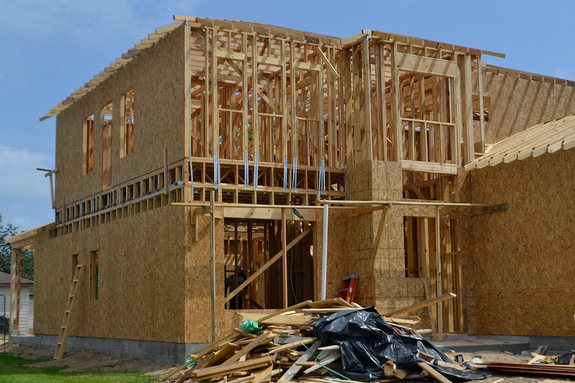
DIY projects can save money and give you a sense of accomplishment, but not every task is suitable for beginners. Painting walls or assembling furniture is manageable, but electrical work, plumbing, and structural changes should usually be handled by professionals. Attempting complex tasks without the right skills can lead to safety issues and costly repairs. Knowing your limits is a key part of successful home renovation.
Stay Flexible During the Process
Even with the best planning, renovations rarely go exactly as expected. Delays, material shortages, or unexpected structural issues can arise. Staying flexible and adaptable will help you handle these challenges without frustration. Instead of aiming for perfection, focus on progress and problem-solving. This mindset can make the entire experience far more enjoyable.
Focus on Functionality First
While aesthetics are important, functionality should always come first. Think about how you use each space daily and design around those needs. For instance, a beautiful kitchen is great, but if it lacks storage or efficient layout, it won’t serve you well. Prioritizing usability ensures your renovation improves your lifestyle, not just the look of your home. Home renovation doesn’t have to be intimidating. By planning carefully, setting a realistic budget, and understanding your limits, you can transform your space without unnecessary stress. Remember that every project is a learning experience, and even small improvements can make a big difference. With patience and the right approach, your dream home is well within reach.

